Training Workshop at Amman Arab University (AAU) to Enhance Students’ Skills in Gestalt Theory in Architectural Design
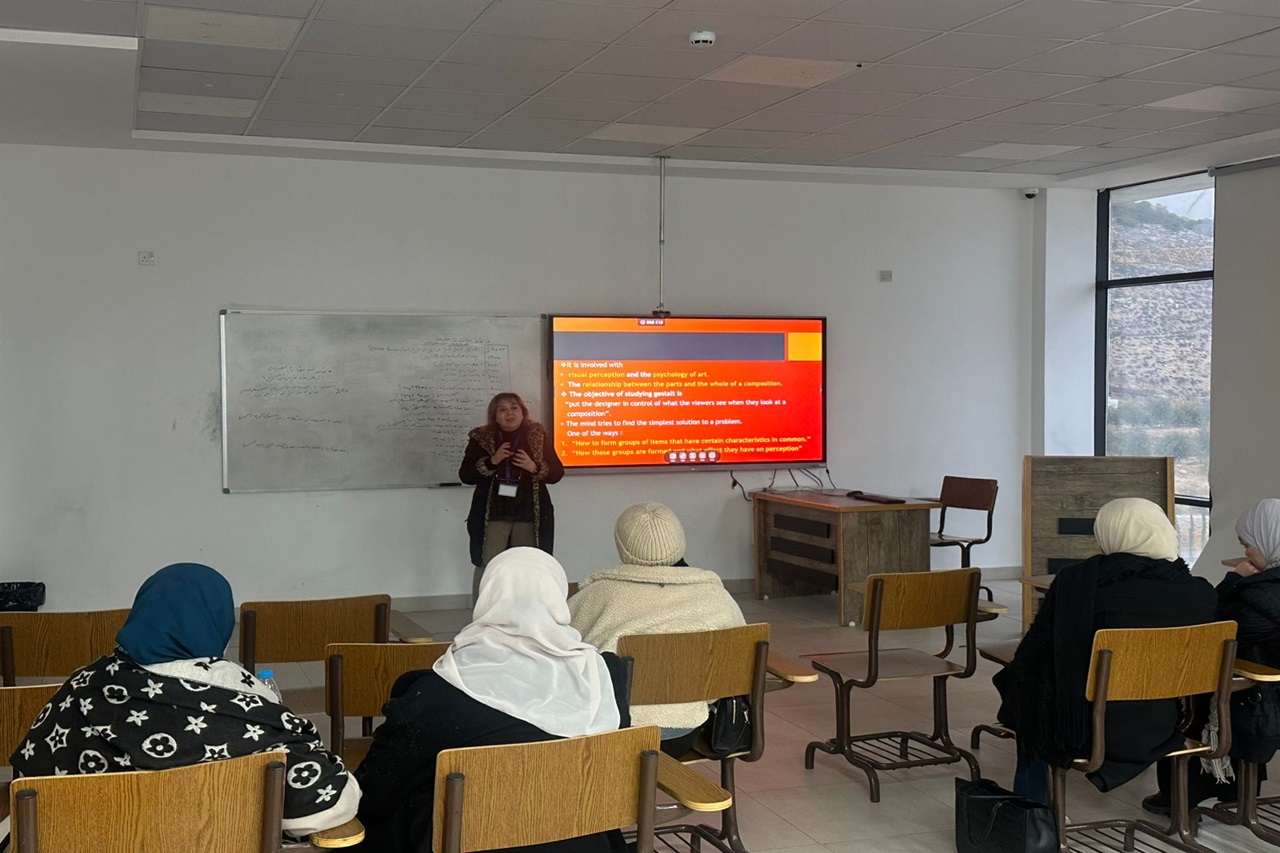
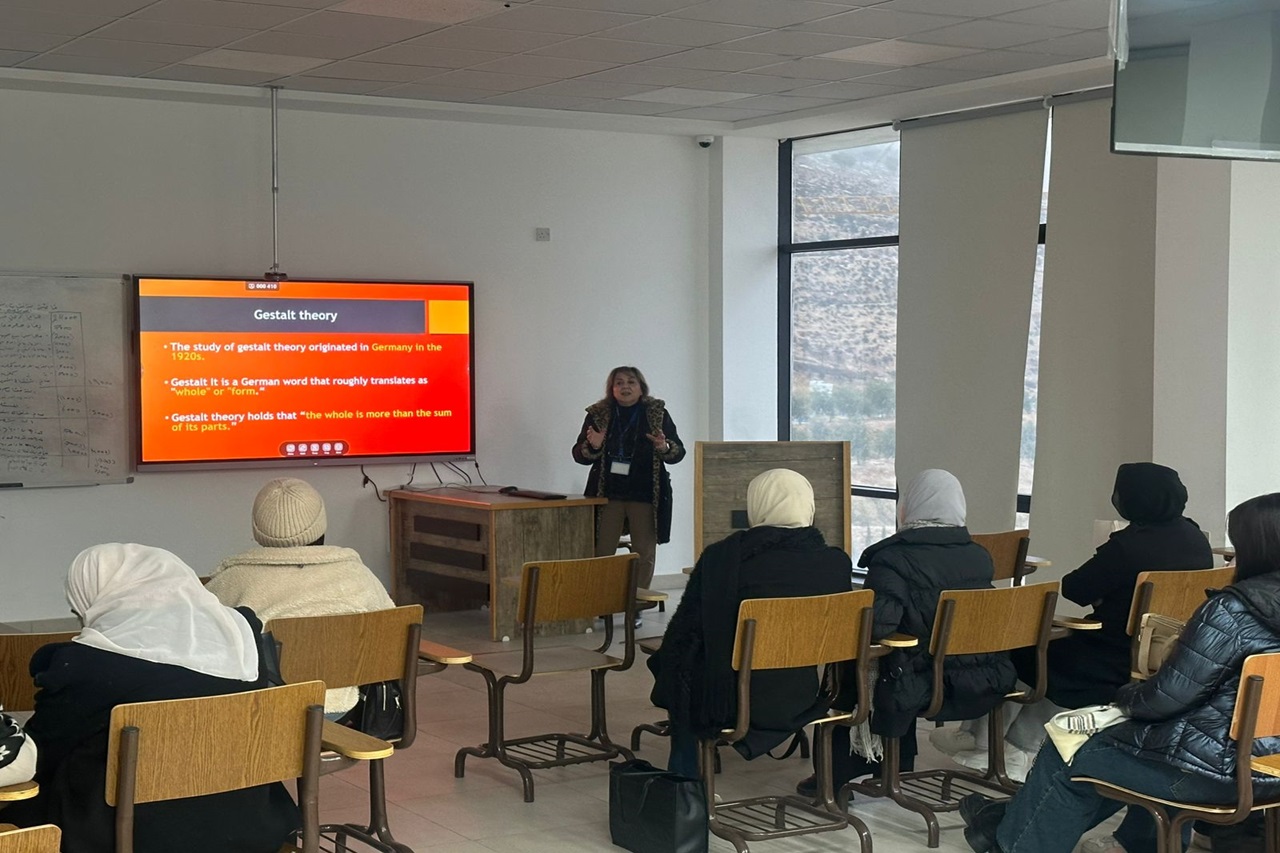
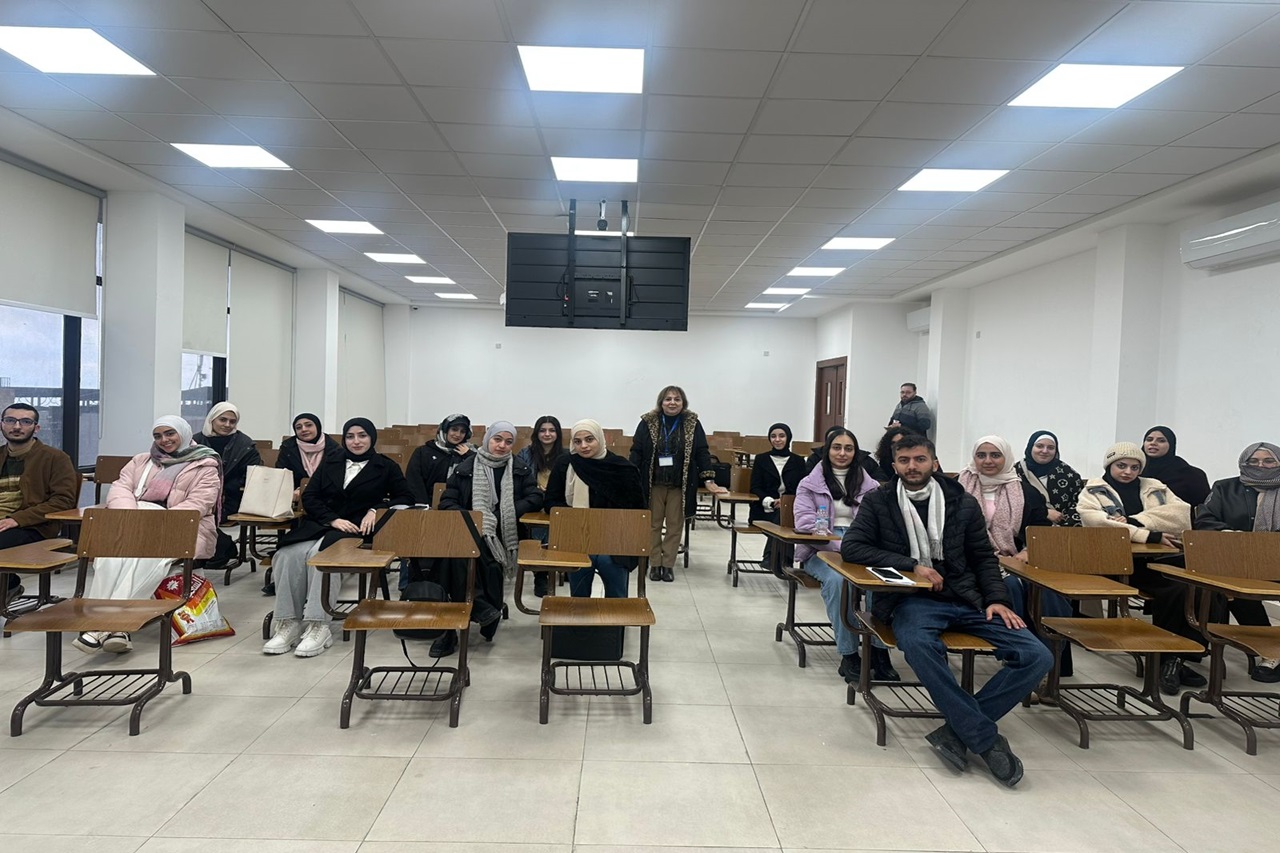
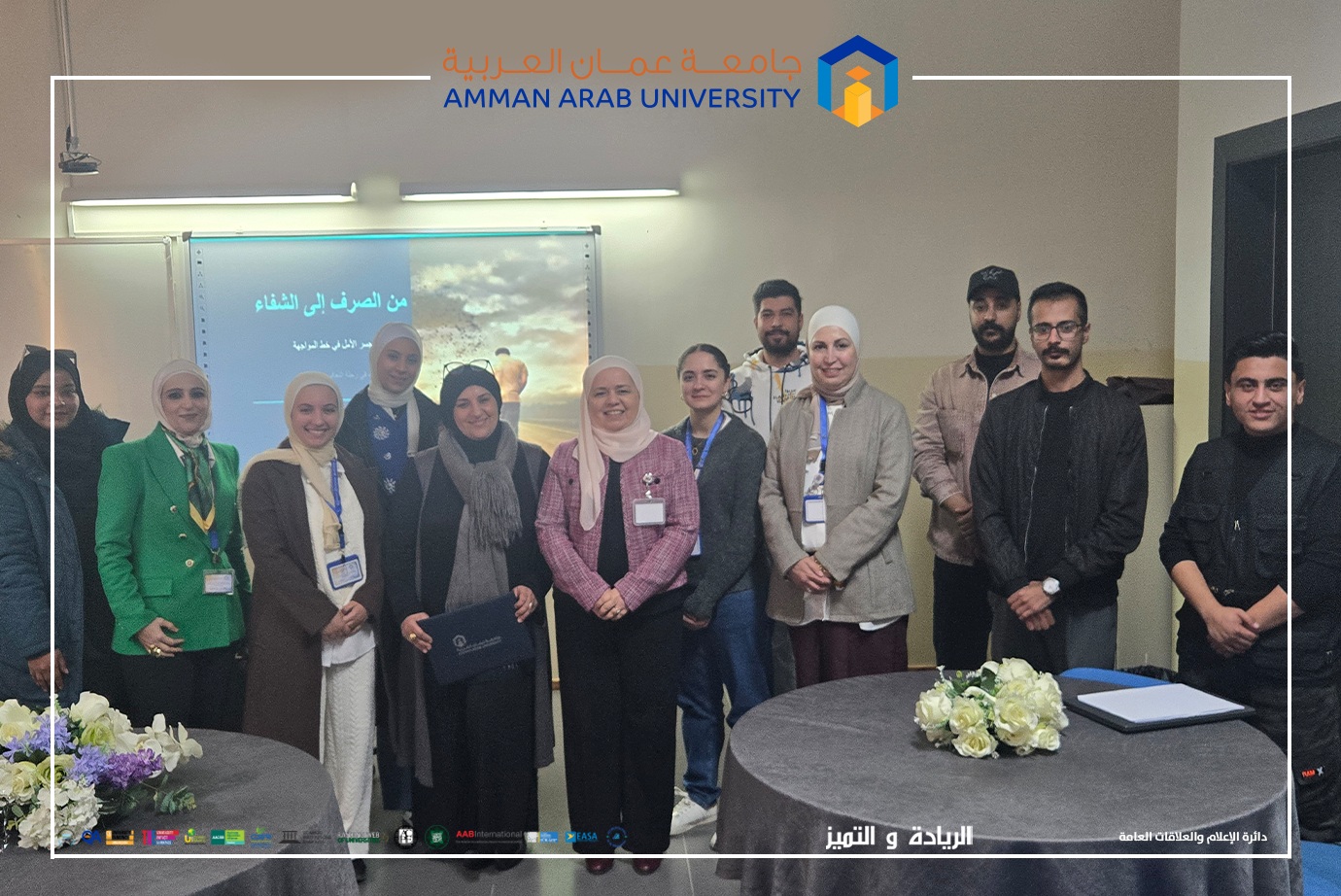
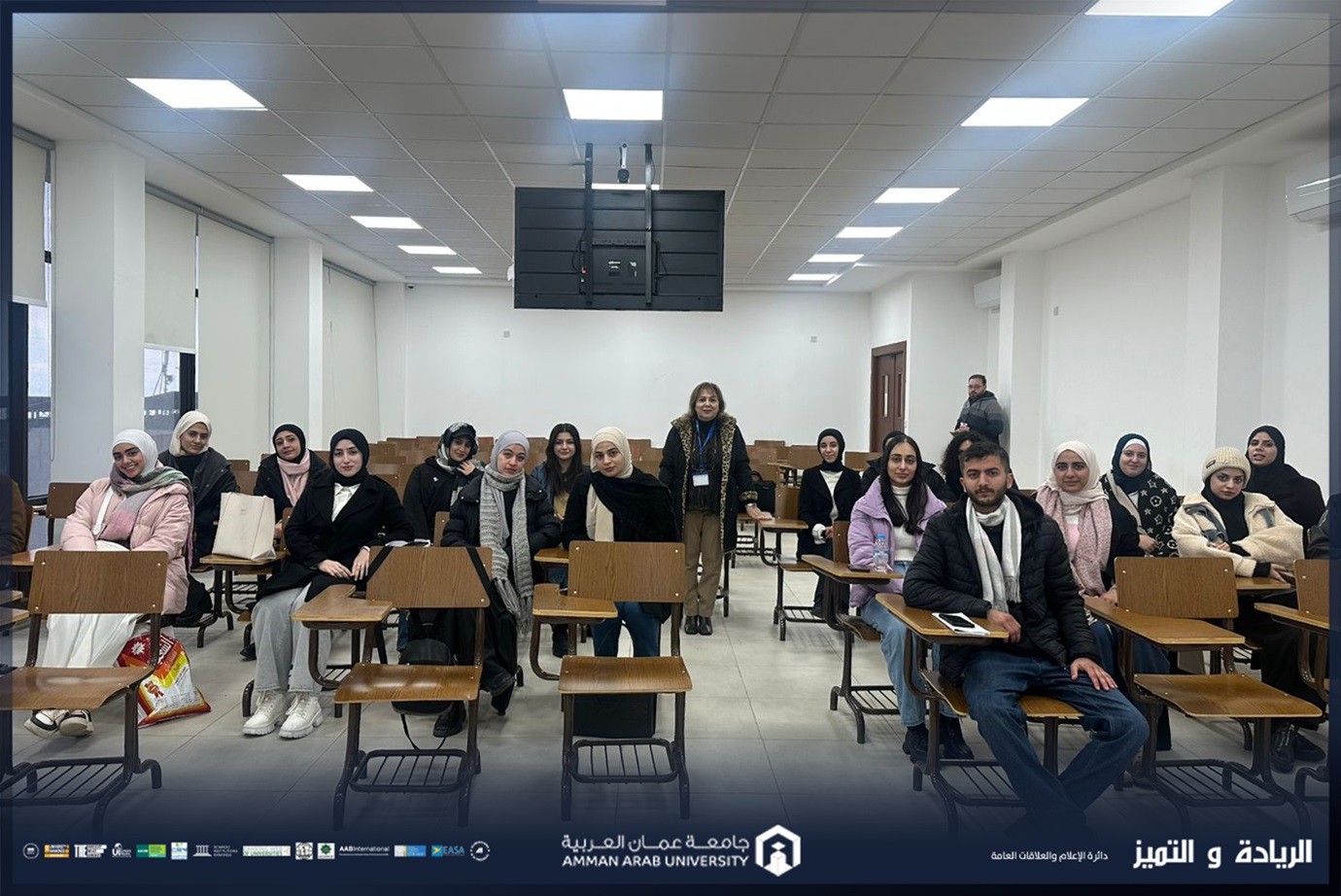
As part of Amman Arab University’s commitment to developing the educational process and strengthening the applied and cognitive aspects of learning among its students, and in implementation of the directives of Professor Dr. Mohammad Al-Wedian, President of the University, and under the follow-up of Dr. Anwar Al-Assaf, Dean of the Faculty of Engineering, the Department of Architecture at the university held a specialized training workshop on Gestalt Theory. The workshop was delivered by Professor Dr. Hanan Ahmad, a faculty member at the college, and targeted architecture students from all academic years, with the aim of enhancing their understanding of perceptual principles and their applications in architectural design.
The workshop aimed to introduce students to the principles of Gestalt Theory in visual perception and its role in understanding formal relationships and visual organization in architectural design, given its direct impact on reading masses, spaces, and architectural compositions, and enhancing design quality from both aesthetic and functional perspectives. The workshop included both theoretical and practical explanations of the fundamental Gestalt principles, such as proximity, similarity, continuity, closure, and the relationship between figure and ground, linking these concepts to real architectural examples that contribute to developing students’ design thinking and enabling them to apply these principles in their academic projects.
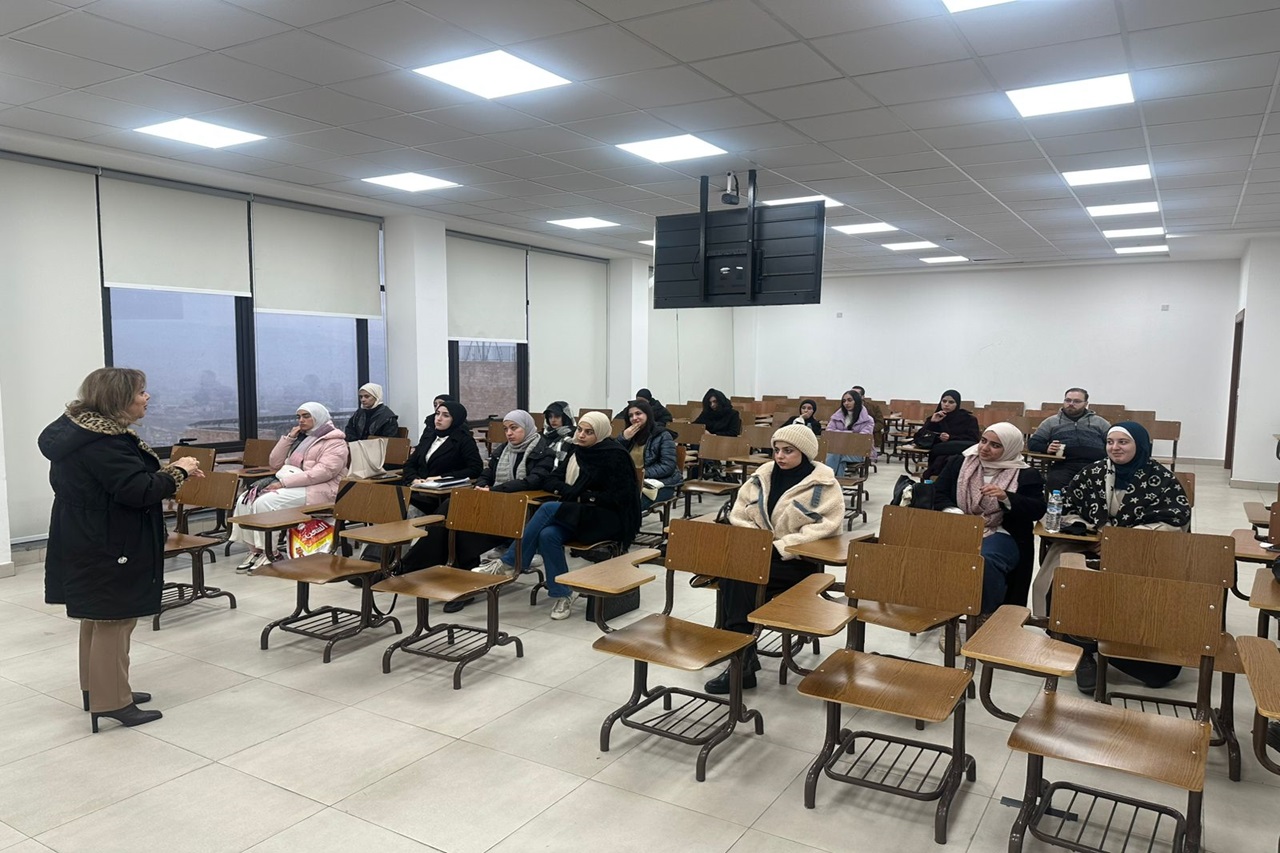
The workshop also featured interactive discussions and analytical applications of architectural works, aiming to enhance students’ ability to read the architectural scene in a critical and systematic manner, in line with the requirements of contemporary design. At the conclusion of the workshop, participants expressed their appreciation for the importance of this training, highlighting its role in strengthening the theoretical aspect connected to practical application, refining students’ intellectual and visual skills, and supporting the university’s direction toward providing integrated architectural education that keeps pace with modern developments in the field of architecture and design.