Amman Arab University (AAU) and Mega Lab Medical Laboratories Establish Strategic Collaboration to Strengthen Clinical Education
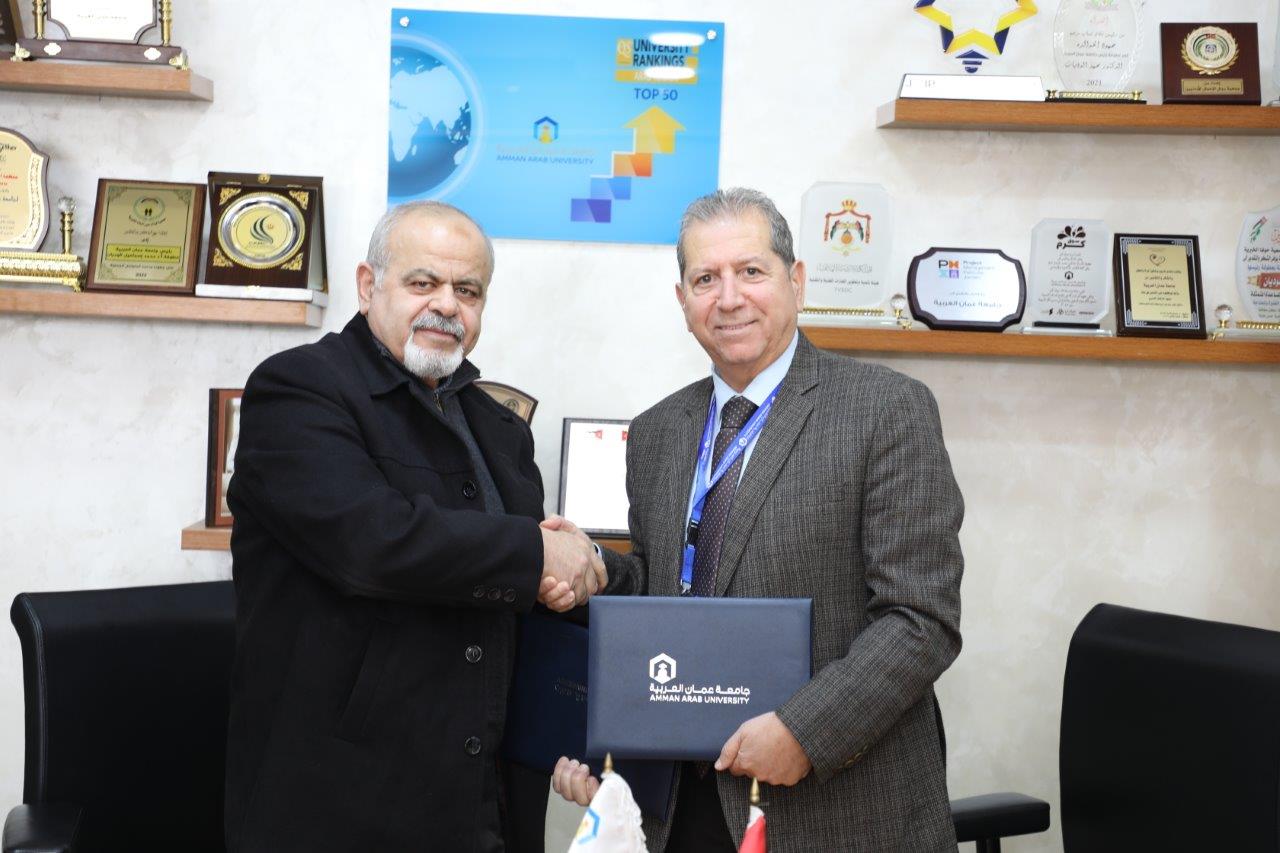
In a step that reflects both parties’ commitment to community health, Amman Arab University (AAU) has signed a strategic cooperation agreement with Mega Lab Medical Laboratories aimed at advancing experiential learning and strengthening the integration of academic instruction with professional practice for students of the Faculty of Applied Medical Sciences.
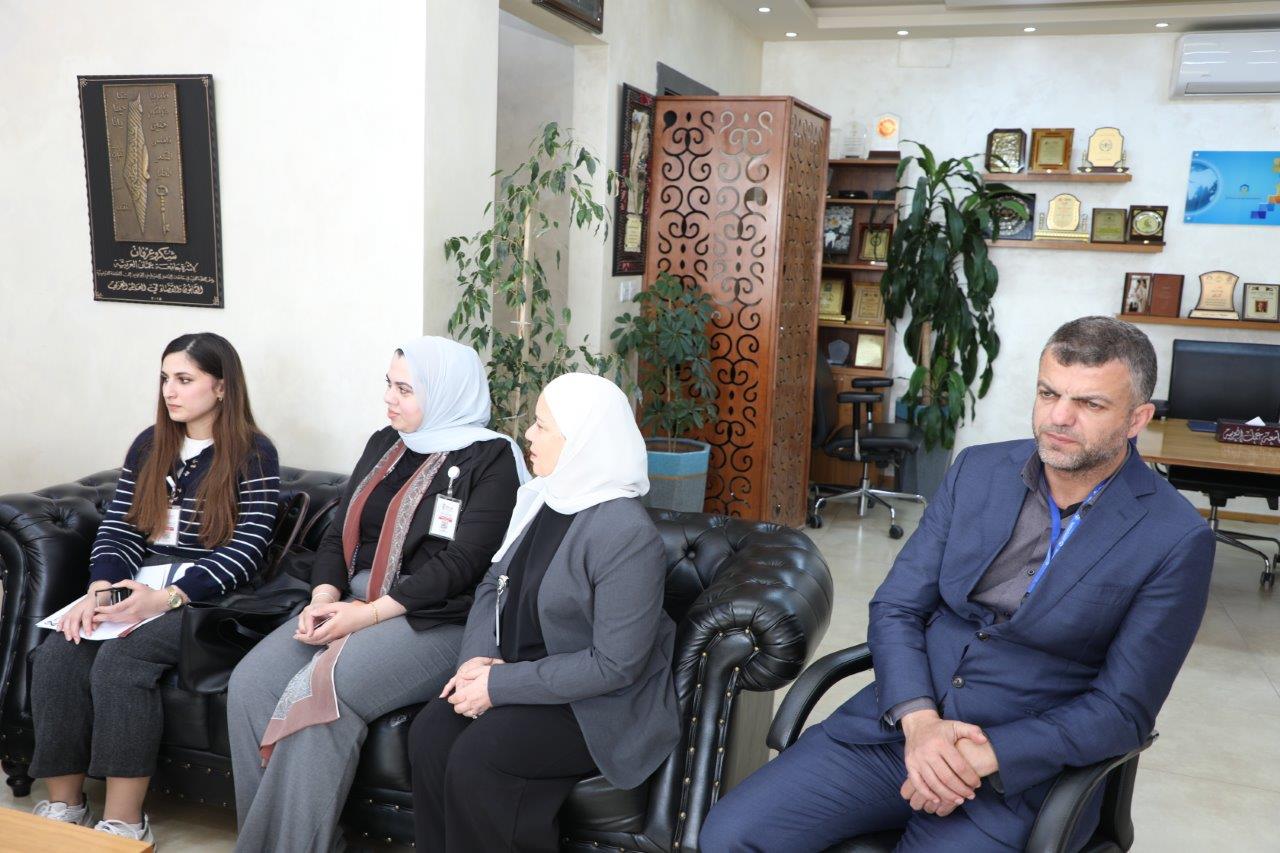
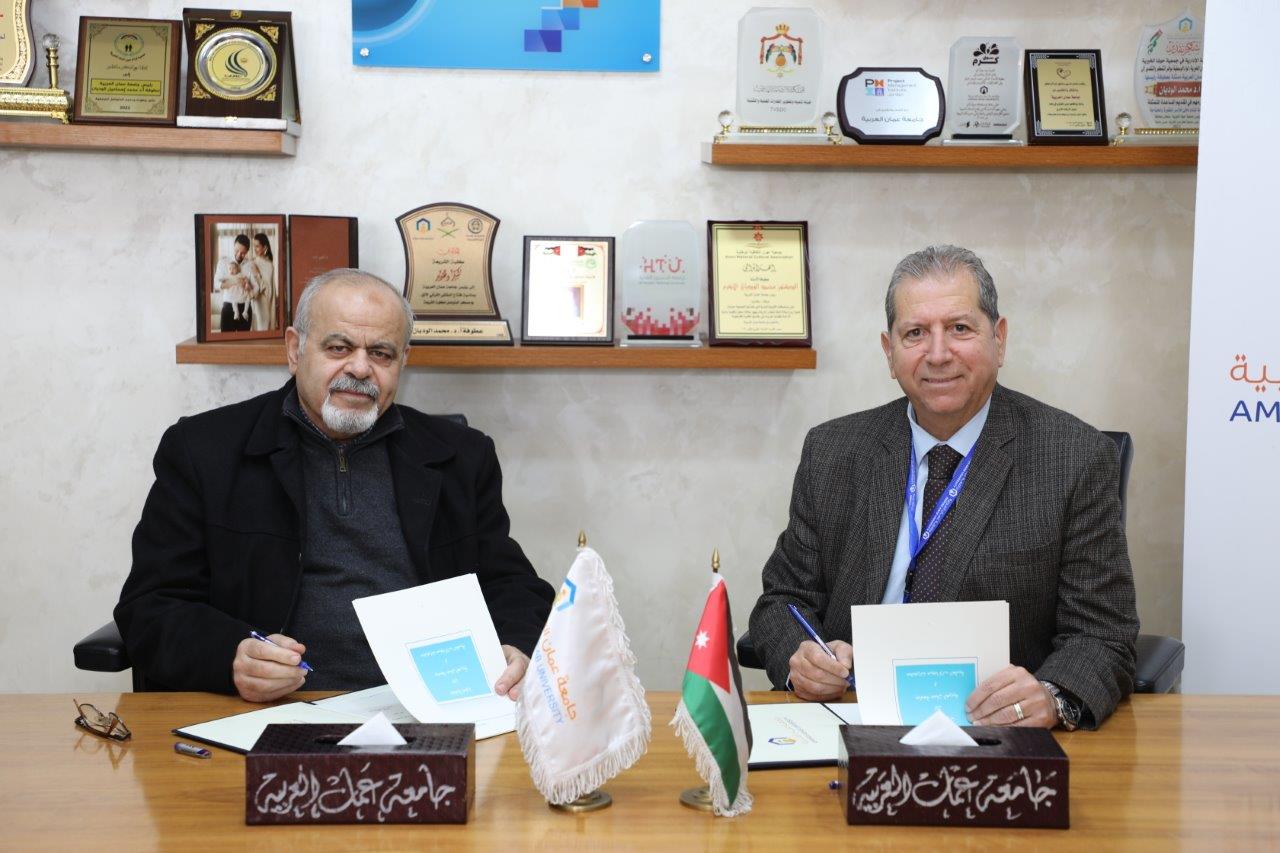
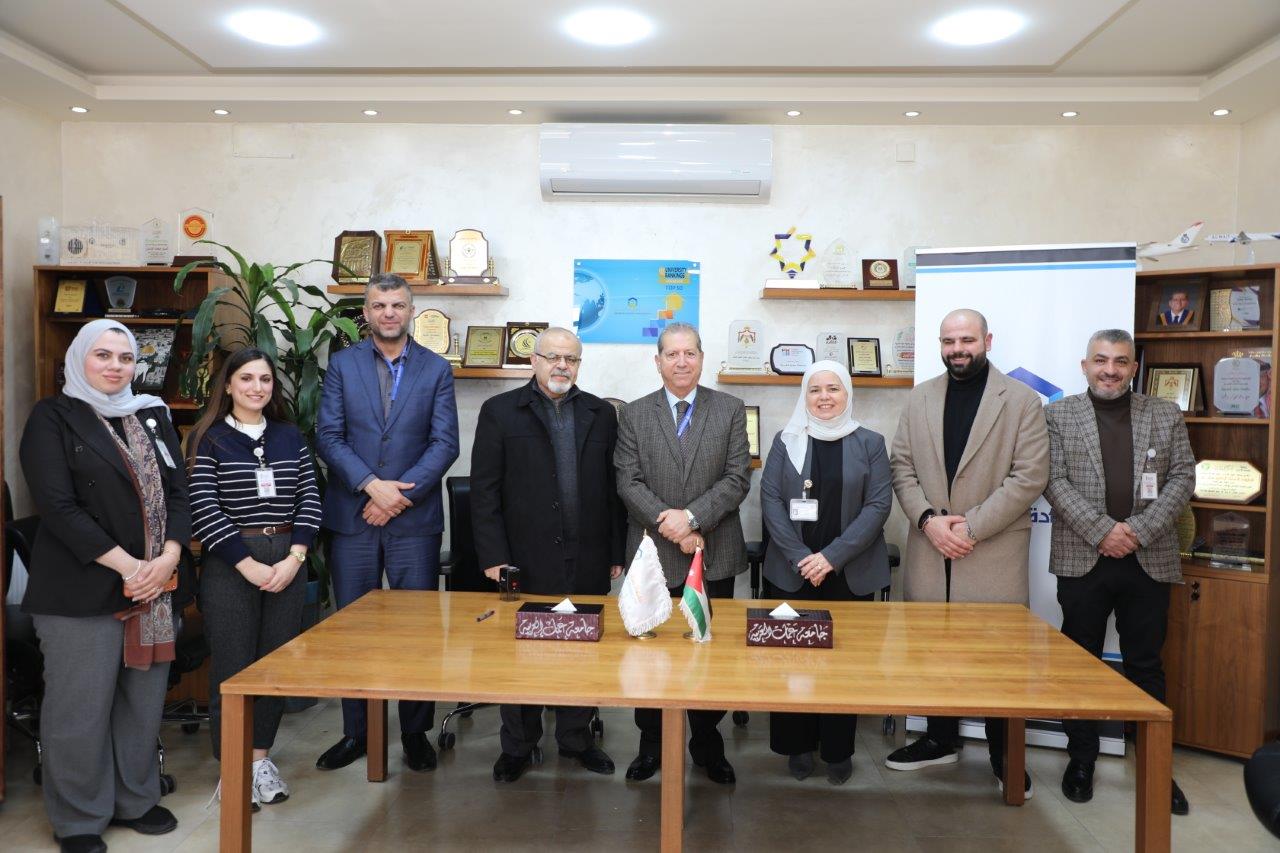
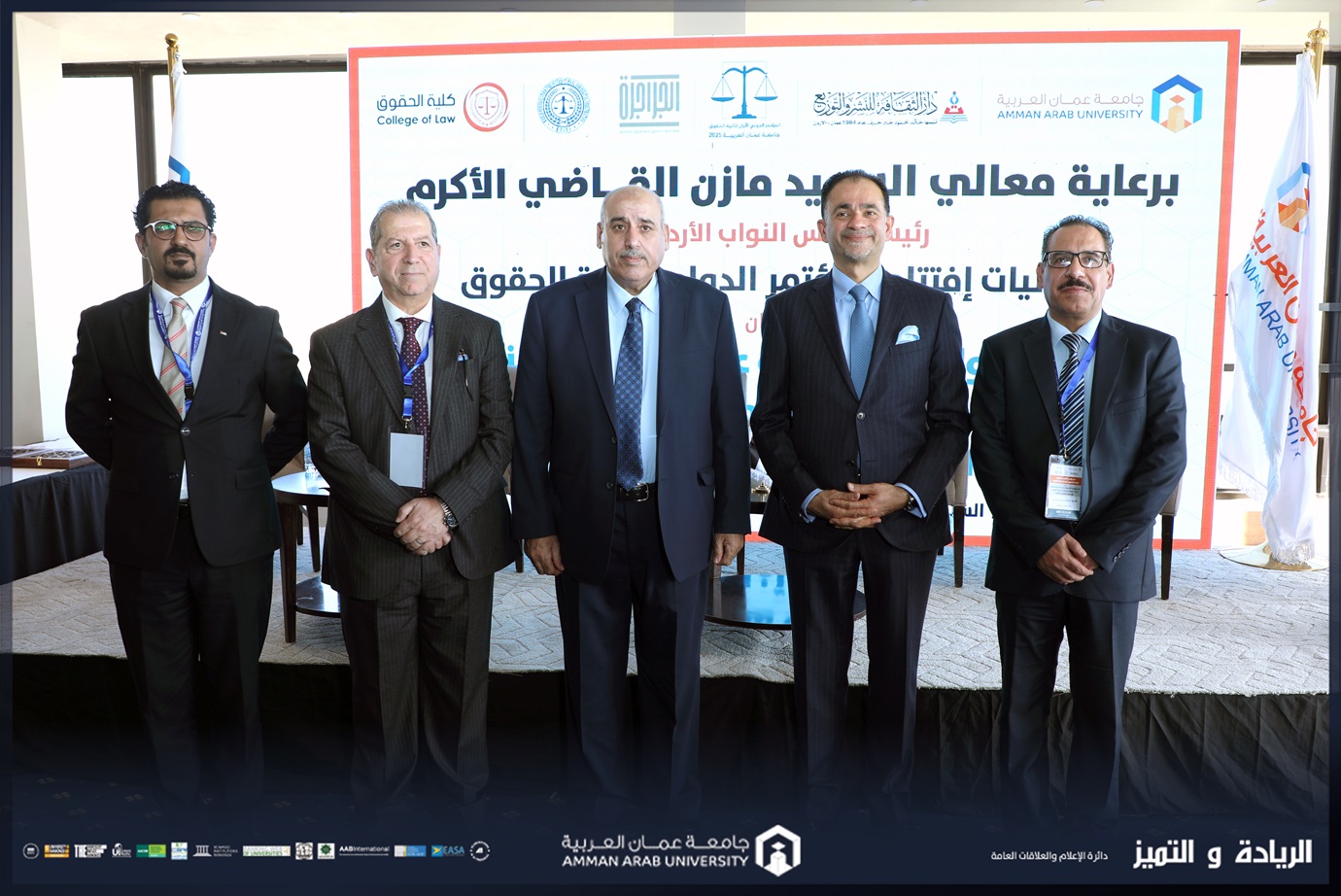
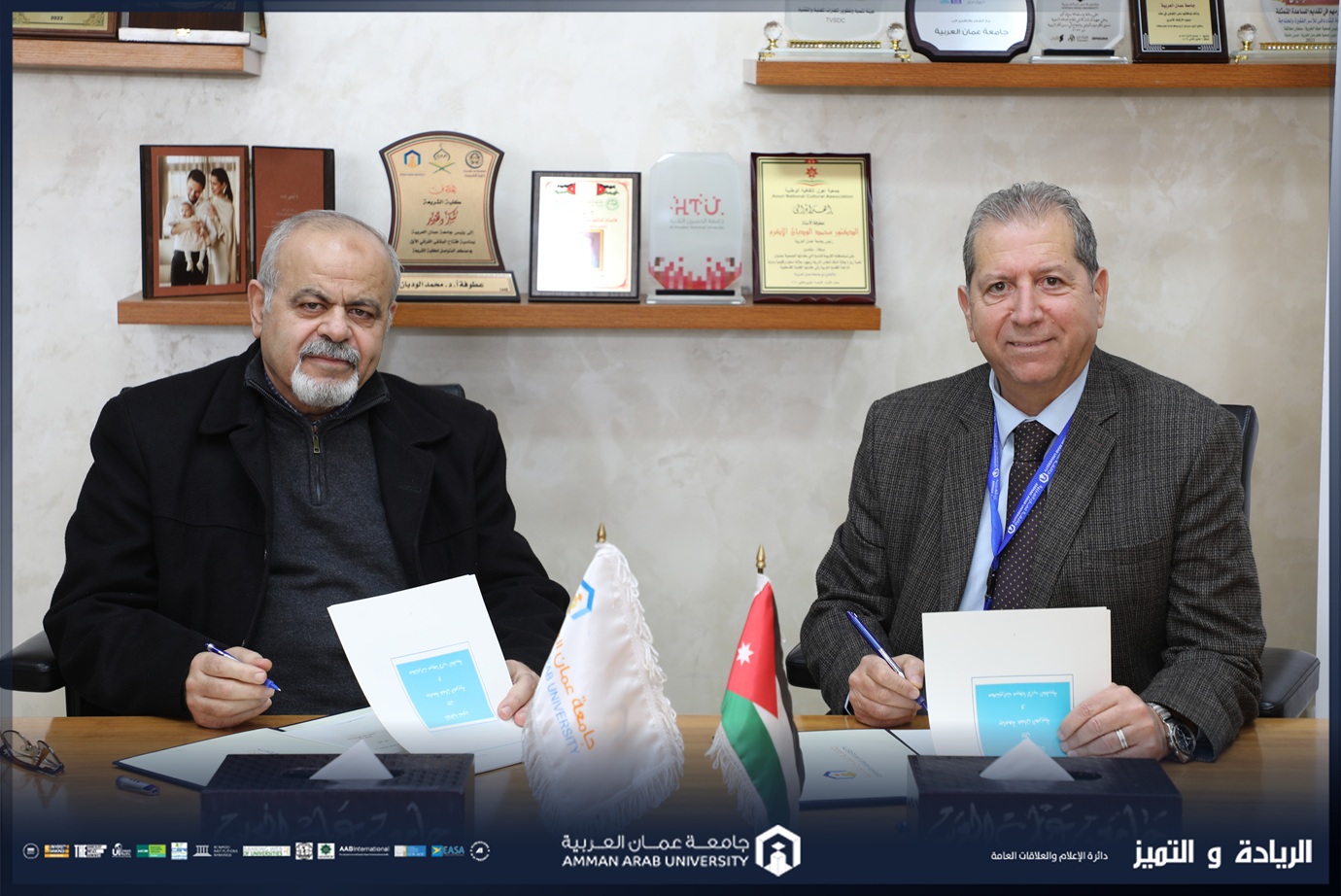
The agreement was signed by AAU President, Professor Mohammad Al-Wadian, and Mega Lab General Manager, Mr. Mazen Abu Sheikha, in the presence of Professor Rana Abu Huwaij, Dean of the Faculty of Applied Medical Sciences, and Dr. Bilal Al-Shomali, Head of the Department of Medical Sciences. This partnership reflects AAU’s strategic vision of building sustainable collaborations with leading healthcare institutions to ensure that its academic programs remain aligned with professional standards and labor market needs. Under the agreement, students will undertake structured field training at Mega Lab’s accredited facilities, gaining hands-on experience within a professional laboratory environment that adheres to the highest standards of quality and regulatory compliance.
Professor Al-Wadian emphasized that experiential learning is fundamental to the University’s educational philosophy. He noted that meaningful engagement with the healthcare sector enables students to bridge theory and practice, develop technical proficiency, and graduate with the confidence and competence required to contribute effectively to the workforce. He further highlighted the pivotal role of the Faculty of Applied Medical Sciences in supporting the national healthcare system, Highlighting the University’s continuous efforts to advance its academic and training frameworks in line with international benchmarks.
Moreover, Mr. Abu Sheikha expressed his appreciation for the collaboration, commending the University’s academic standing and institutional reputation. He aligned Mega Lab’s commitment to providing a dynamic and professionally supervised training environment that will allow students to refine their technical skills, deepen their applied knowledge, and gain exposure to contemporary laboratory practices.
Mega Lab Medical Laboratories is recognized as one of the accredited medical laboratory providers in the Kingdom, offering advanced diagnostic services in accordance with the latest international standards. Beyond clinical training, the agreement also opens avenues for collaboration in applied research and professional development initiatives. Students will have opportunities to engage in practical components related to laboratory diagnostics, clinical nutrition assessments, and evidence-based healthcare practices—further enriching their academic experience and supporting innovation within the sector.
Professor Abu Huwaij emphasized that such partnerships play a vital role in enriching the student learning experience by bridging academic knowledge with practical application in real-world clinical settings. She further highlighted the Faculty’s continued dedication to academic innovation and responsiveness to emerging scientific and technological trends. In this context, she referenced the recent launch of the Bachelor’s program in Bioinformatics—the first of its kind among Jordanian universities and the second in the Arab region—which is designed to integrate medical sciences with digital technologies and artificial intelligence This agreement represents a strategic milestone within AAU’s broader institutional vision to expand high-impact partnerships, elevate the quality of professional training, and contribute meaningfully to the development of a skilled, future-ready healthcare workforce.