The College of Information Technology at Amman Arab University (AAU) Highlights the Success Story of Its Graduate, Islam Rababa’a
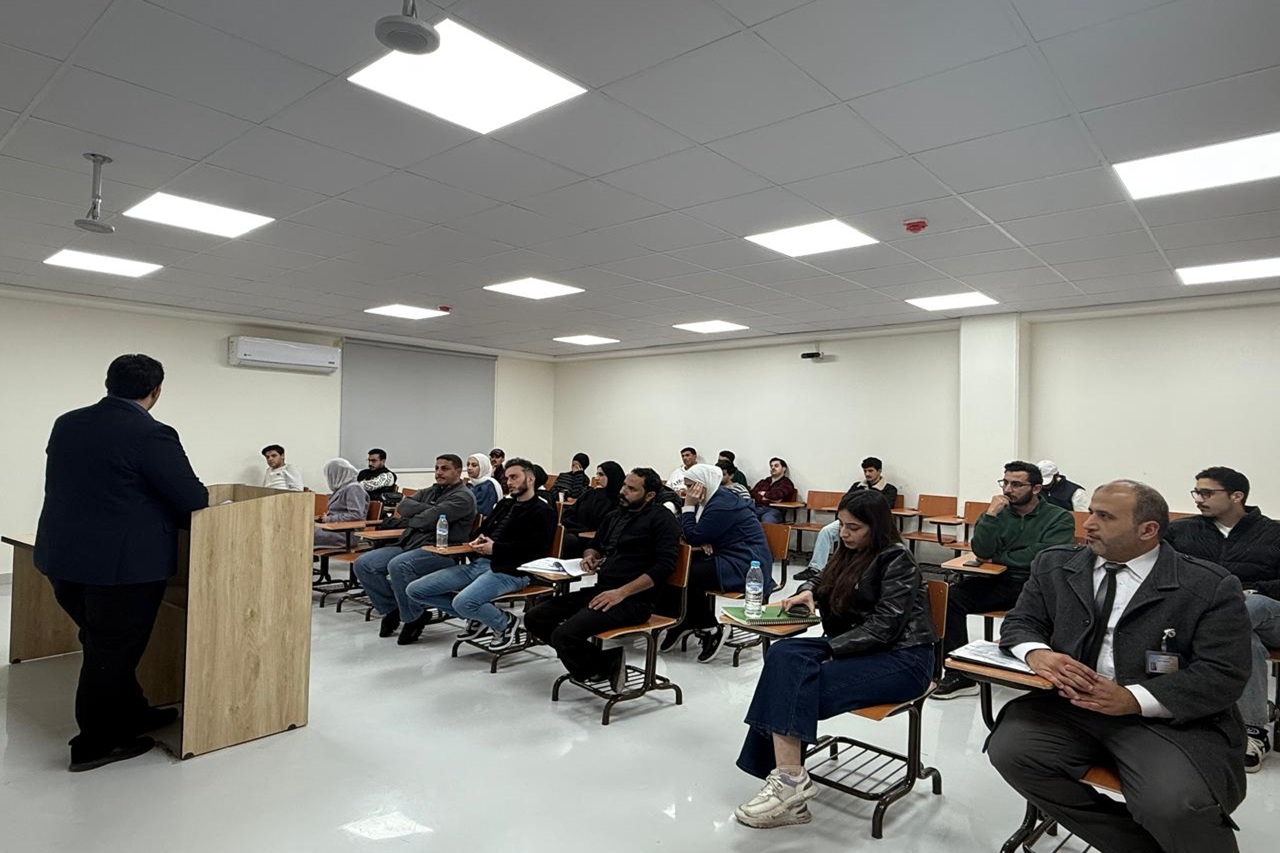
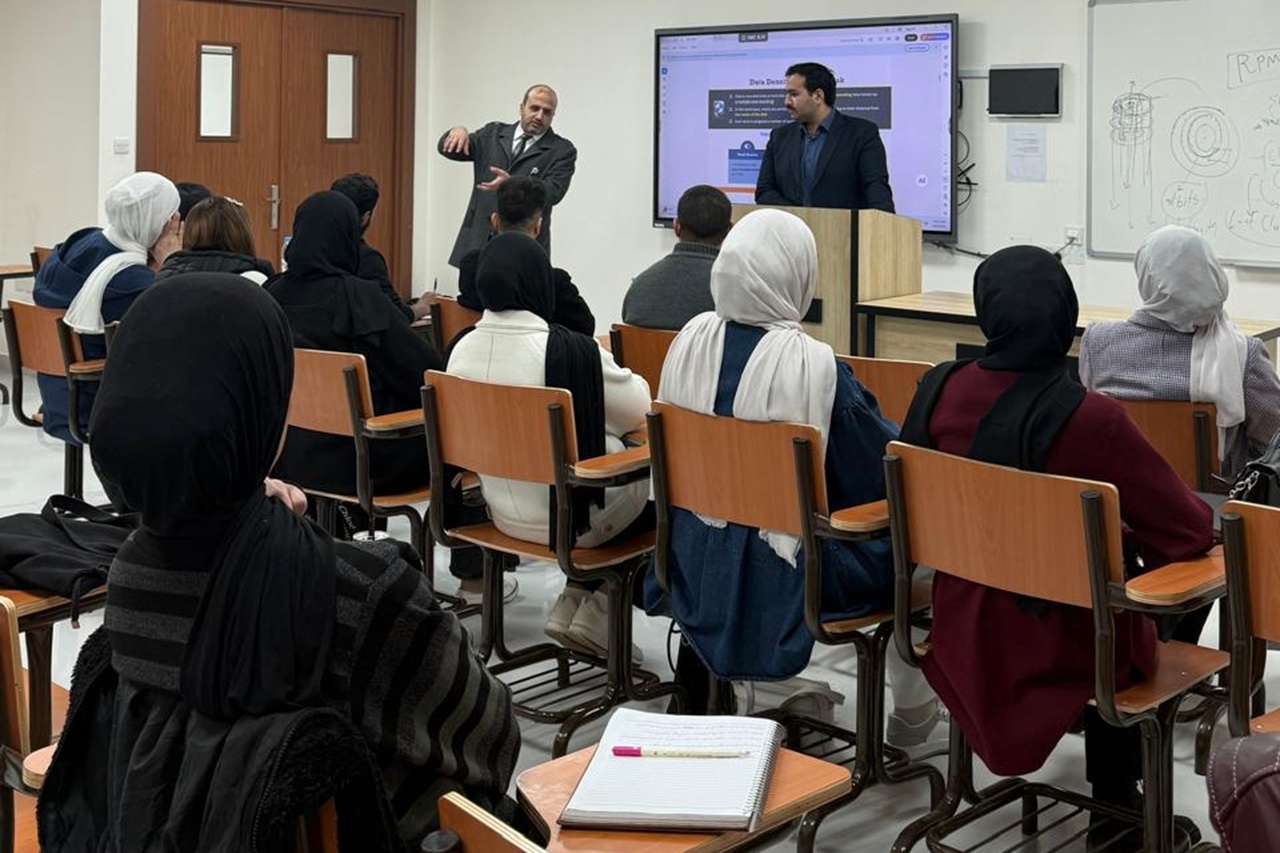
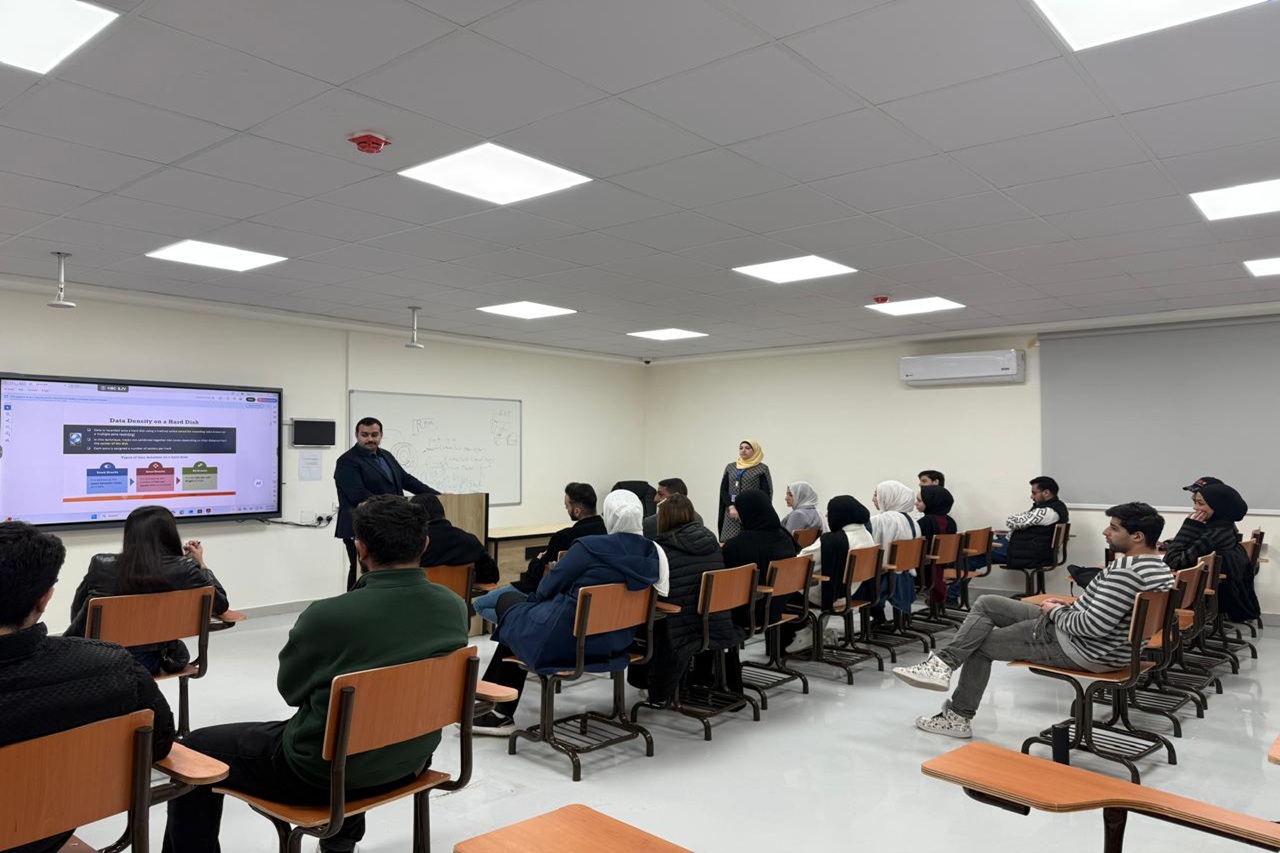
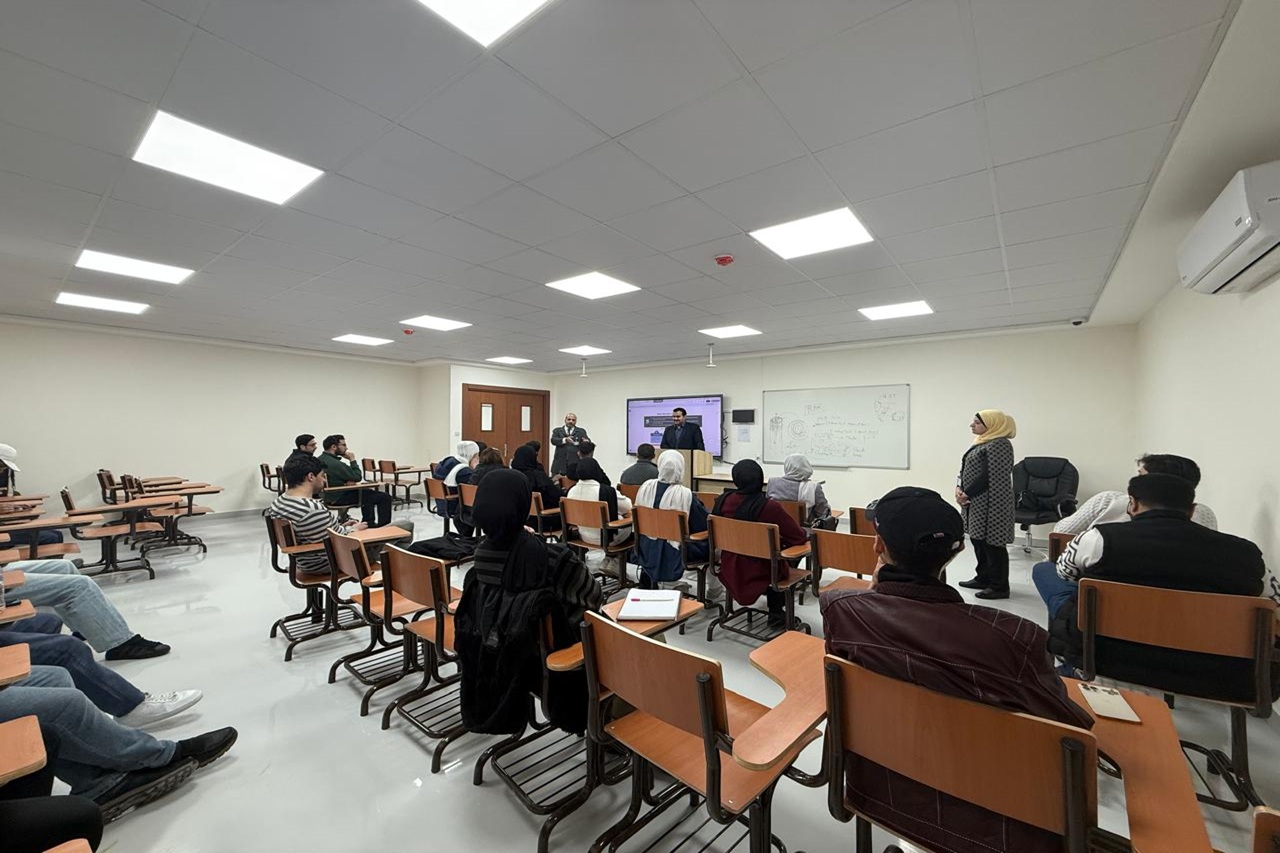
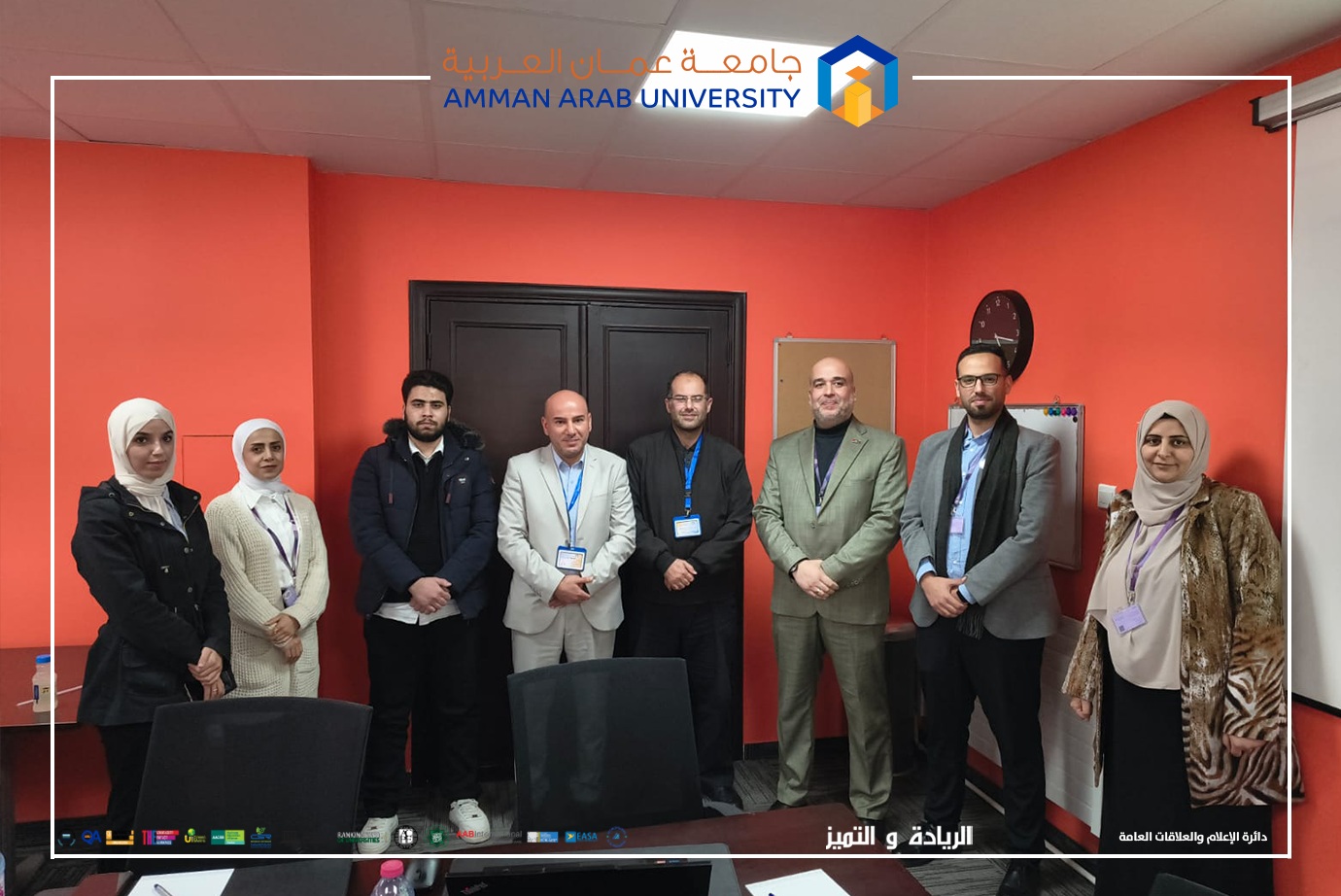
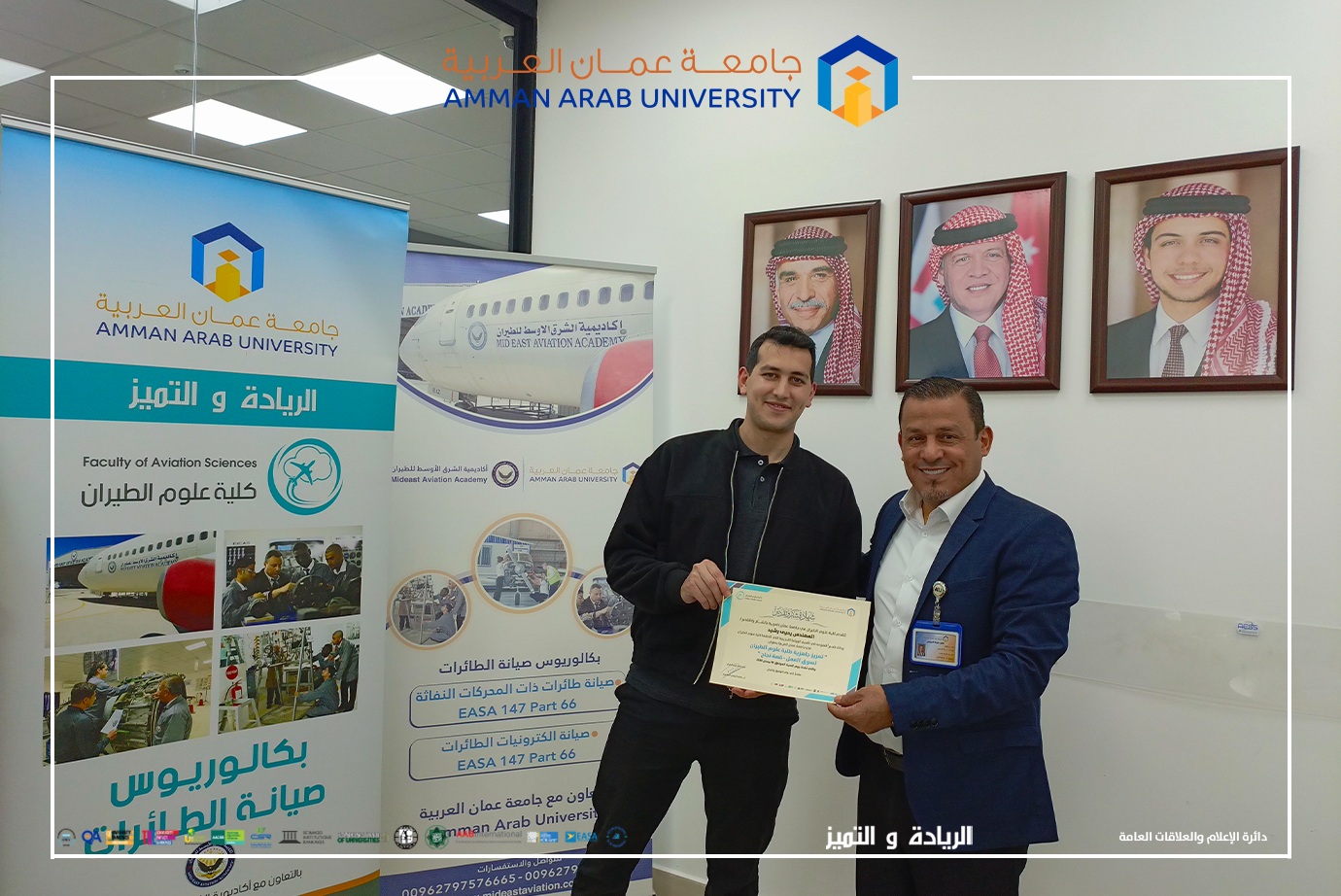
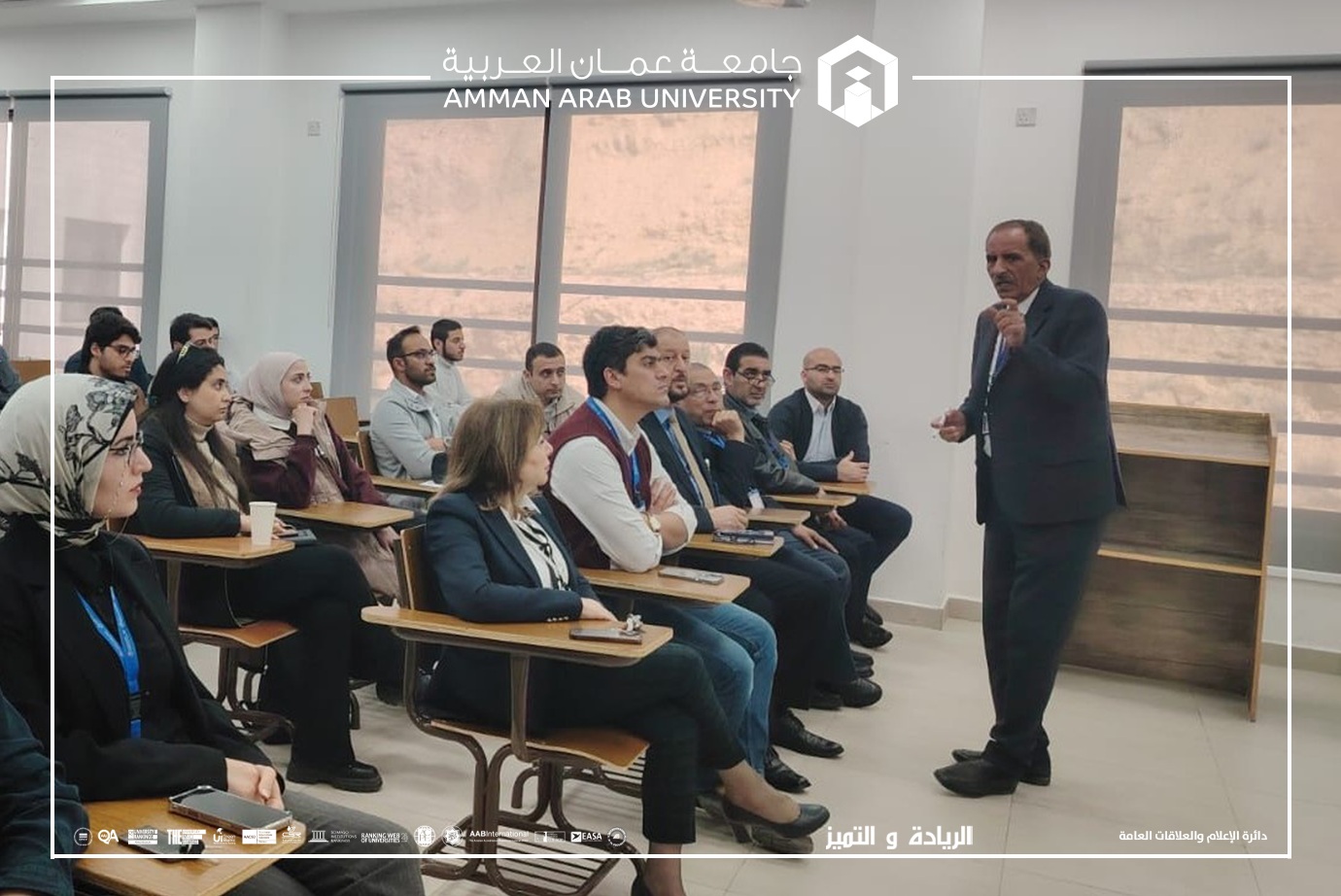
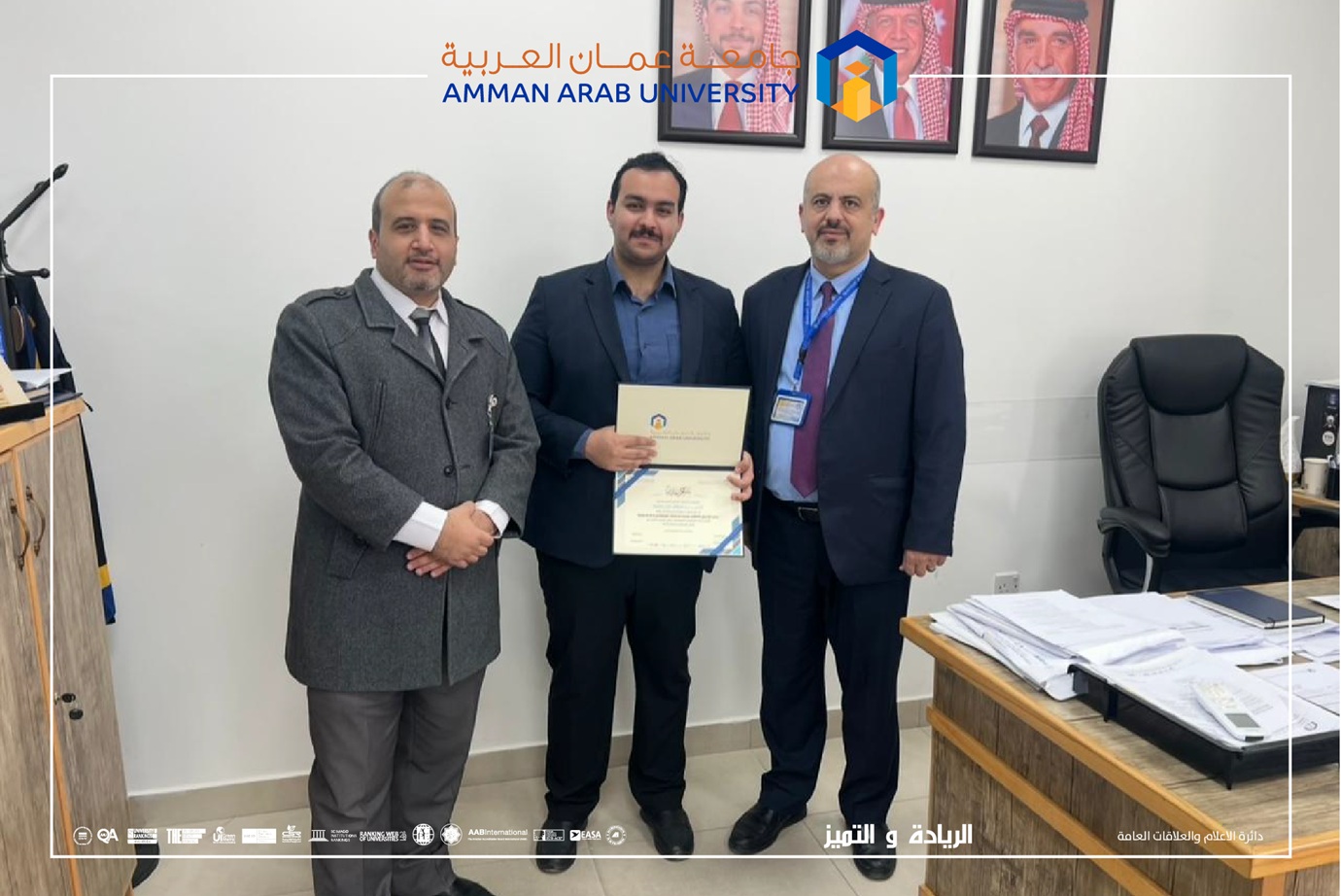
As part of Amman Arab University’s efforts to strengthen ties between its students and graduates and to connect academic learning with successful professional experiences, the College of Information Technology hosted its graduate, Islam Nizar Rababa’a, for an interactive lecture. The session aimed to share his professional journey and success story with students and was attended by participants from various disciplines.
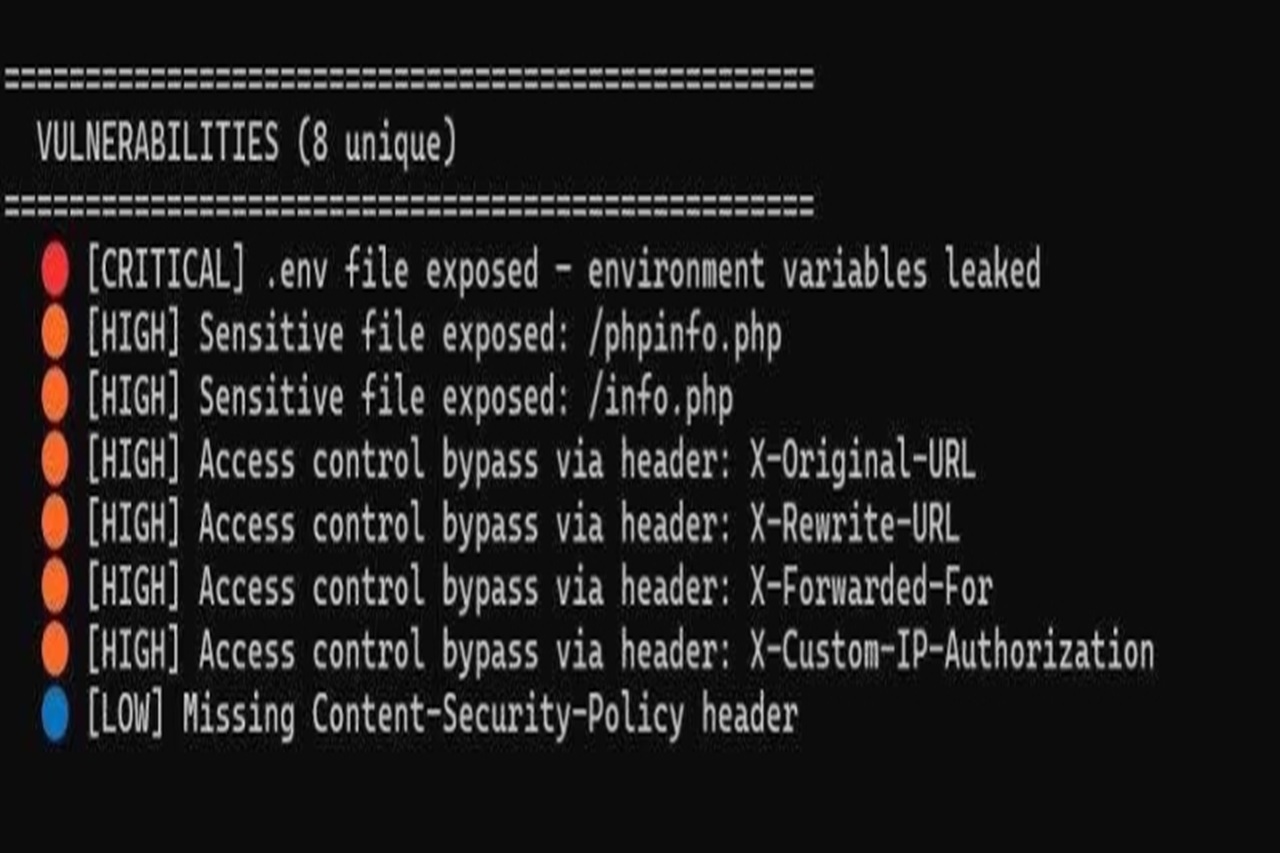
During the lecture, Rababa’a presented the latest version of his cybersecurity tool, "Samp AI v4.4", an advanced, fully automated penetration testing system. The tool executes the entire penetration testing lifecycle without human intervention—from information gathering and reconnaissance to system and source code analysis, vulnerability discovery, exploitation, and technical validation.
He explained that the tool is fully localized, ensuring a high level of privacy and data security. It operates within an advanced environment powered by artificial intelligence models capable of independent analysis and decision-making. This enables the system to develop a cumulative understanding of targeted systems and dynamically adapt attack strategies based on detected security measures.
Rababa’a emphasized that "Samp AI v4.4" goes beyond traditional scanning tools by integrating a suite of professional capabilities into a single comprehensive system. These include exploration techniques, vulnerability assessment based on global standards such as the OWASP Top 10, API analysis, and the execution of advanced scenarios to bypass security defenses and validate vulnerabilities in practice.
One of the tool’s most notable features, he added, is its ability to automatically generate professional technical reports immediately after testing is completed. These reports include detailed descriptions of vulnerabilities, proof of concept (PoC), reproduction steps, risk assessments, and clear remediation recommendations—making the tool highly practical for professional use.
Rababa’a noted that his studies at the College of Information Technology at Amman Arab University were a pivotal point in his career, equipping him with the knowledge and practical skills needed to succeed in the job market. He also highlighted the vital role of faculty members in supporting and guiding him toward achieving his professional goals.
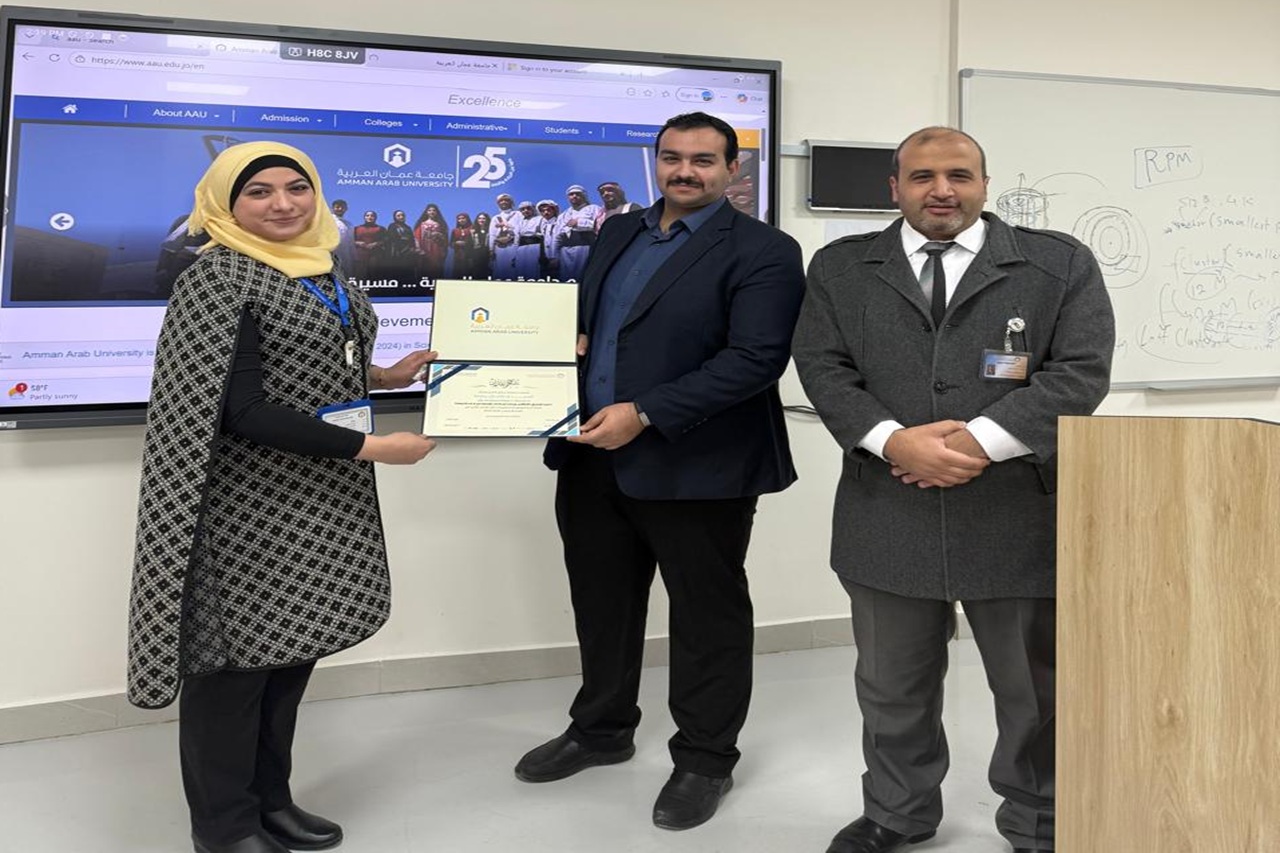
For his part, Dr. Rami Sahwil, Dean of the College of Information Technology, emphasized the college’s commitment to maintaining strong connections with its graduates and leveraging their professional achievements to enrich the educational experience. He noted that hosting distinguished alumni serves as a source of inspiration and motivation for current students.
At the conclusion of the lecture, Rababa’a shared motivational advice, stressing the importance of lifelong learning, continuous self-development, and going beyond academic requirements. He encouraged students to strive for excellence and to actively invest in available opportunities to build successful and sustainable career paths.
Students expressed strong engagement with the session and pride in belonging to the College of Information Technology at Amman Arab University. They affirmed the college’s ongoing role in preparing highly qualified graduates capable of meeting labor market demands and contributing effectively to innovation and development.